Every gardener has an uncle with a "secret". Gravel in the pot. Eggshells for the snails. A spoon of Epsom salts for everything. Some of these tips get passed down for generations, and scientists have tested a surprising number of them.
Here are four hacks that hold up, and three that don't. Quick read, promise.
The hacks that work
1. Put mint in a pot. Always.
Mint doesn't stay where you plant it. SANBI describes mints spreading through underground runners and popping up "wherever they find a suitable spot".[1] A pot keeps it in line. The catch is that potted mint needs repotting into fresh, compost-rich soil every year or two.[1]
2. Park the mint pot under the garden tap
This one comes straight from SANBI's wild mint profile: place the pot under a tap and it catches the small drips and leaks, which keeps a thirsty plant moist.[1] Free water, zero effort. We love it.
3. Pick often, and pick hard
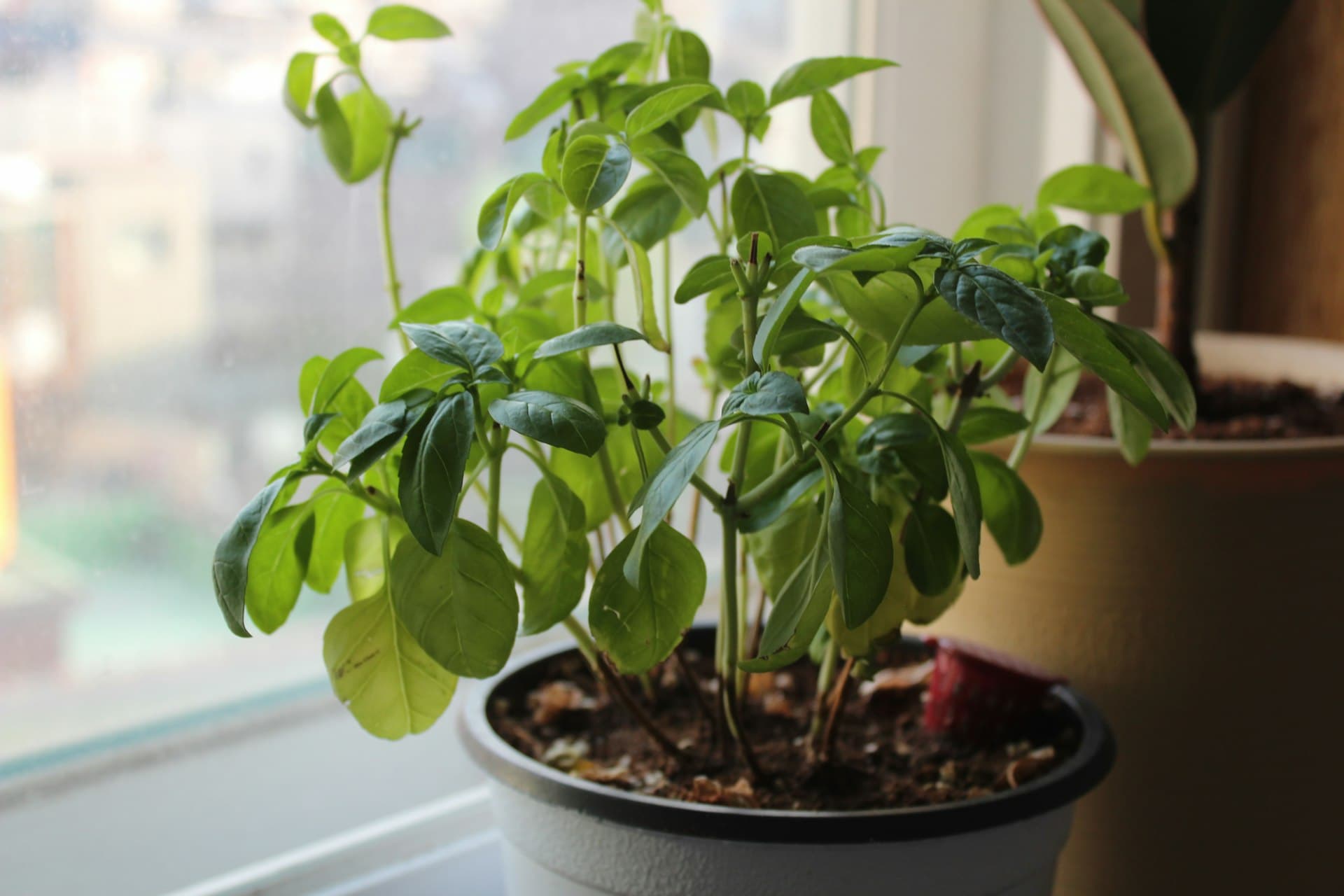
It feels wrong, but cutting herbs back is what keeps them bushy. The Chicago Botanic Garden recommends pinching windowsill herbs frequently to keep them "stocky and attractive".[2] SANBI gives the same advice for mint: cut it back often to encourage fresh new growth.[1]
4. Use terracotta for the herbs that hate wet feet
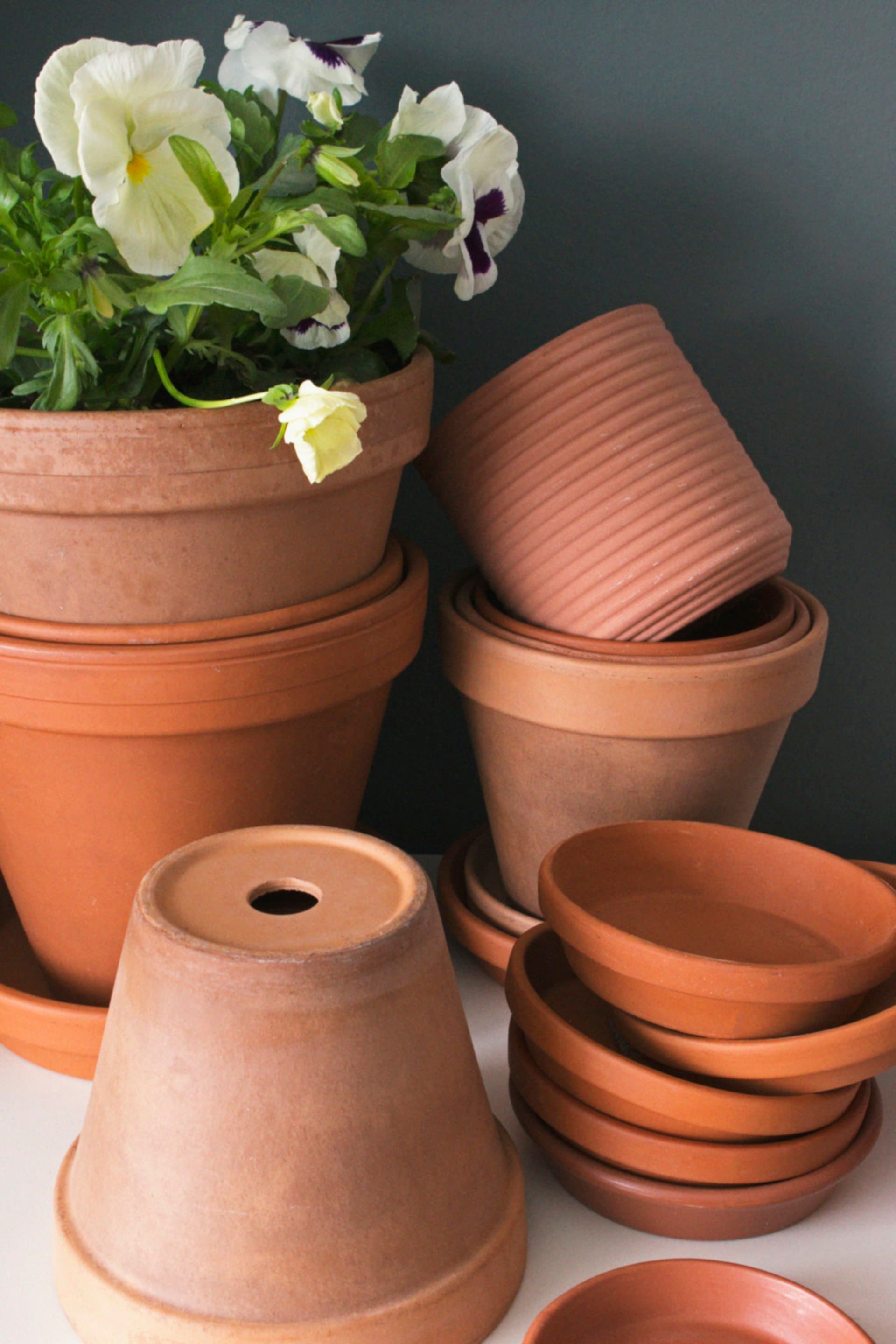
Most herbs don't cope with soggy soil. Iowa State University's extension service recommends clay or terracotta pots for herbs because they're porous and dry out more readily.[3]
The myths to skip
Myth 1: "Put gravel at the bottom of the pot for drainage"
According to Washington State University, nearly every container-gardening book and website recommends it.[4] It backfires. WSU horticulturist Dr Linda Chalker-Scott explains that water doesn't move easily from finer soil into a coarser layer below it. The soil above the gravel has to be saturated before water crosses over.[4]
In her words, it's "ironic that adding this material will induce the very state it is intended to prevent", meaning waterlogged soil.[4] Her bottom line: containers need drainage holes, and "drainage material" only hinders water movement.[4]
Myth 2: "Crushed eggshells keep slugs and snails away"
Britain's Royal Horticultural Society (RHS) put this to the test. Its entomologist grew 108 lettuces in pots and raised beds for six weeks, protected by rings of crushed eggshells, pine bark mulch, copper tape, sharp grit or wool pellets.[5]
The result: no difference in damage between the protected lettuces and the ones left to fend for themselves.[5] The RHS concluded that these barriers "can be unreliable and ineffective".[5] Sorry, eggshells.
Myth 3: "Epsom salts make everything grow better"
Epsom salts are magnesium sulphate. Dr Chalker-Scott reviewed the research and found they help where plants genuinely lack magnesium, which is where the studies were done: intensively grown crops that were magnesium-deficient.[6]
For healthy plants, she found no evidence that extra Epsom salts make them "grow bushier" or have any other measurable benefit.[6] She also found no science backing claims that they control pests, and no published research at all on slugs.[6] Too much can cause problems too: sprayed on leaves, Epsom salt solutions have caused leaf scorch.[6]
The takeaway
Good gardening is mostly boring in the best way: the right pot, the right amount of water, and a pair of scissors used without guilt. Save the secret recipes for the potjie.
Ready to plant something?
Five indigenous plants for a tough South African herb garden.
Sources
Every fact in this article comes from one of these. The numbers in the text link here.
- 1.Mentha longifolia. PlantZAfrica, South African National Biodiversity Institute (Liesl van der Walt), January 2004. Accessed 25 September 2026.
- 2.Growing Herbs on Your Windowsill. Chicago Botanic Garden. Accessed 25 September 2026.
- 3.Growing Herbs Indoors. Iowa State University Extension and Outreach, Yard and Garden, Last reviewed November 2023. Accessed 25 September 2026.
- 4.The Myth of Drainage Material in Container Plantings. Linda Chalker-Scott, Washington State University Puyallup Research and Extension Center. Accessed 25 September 2026.
- 5.How to stop slugs and snails: what works?. Royal Horticultural Society (RHS). Accessed 25 September 2026.
- 6.Epsom salts: miracle, myth... or marketing. Linda Chalker-Scott, Washington State University (MasterGardener, Spring 2007), Spring 2007. Accessed 25 September 2026.
Found this useful?