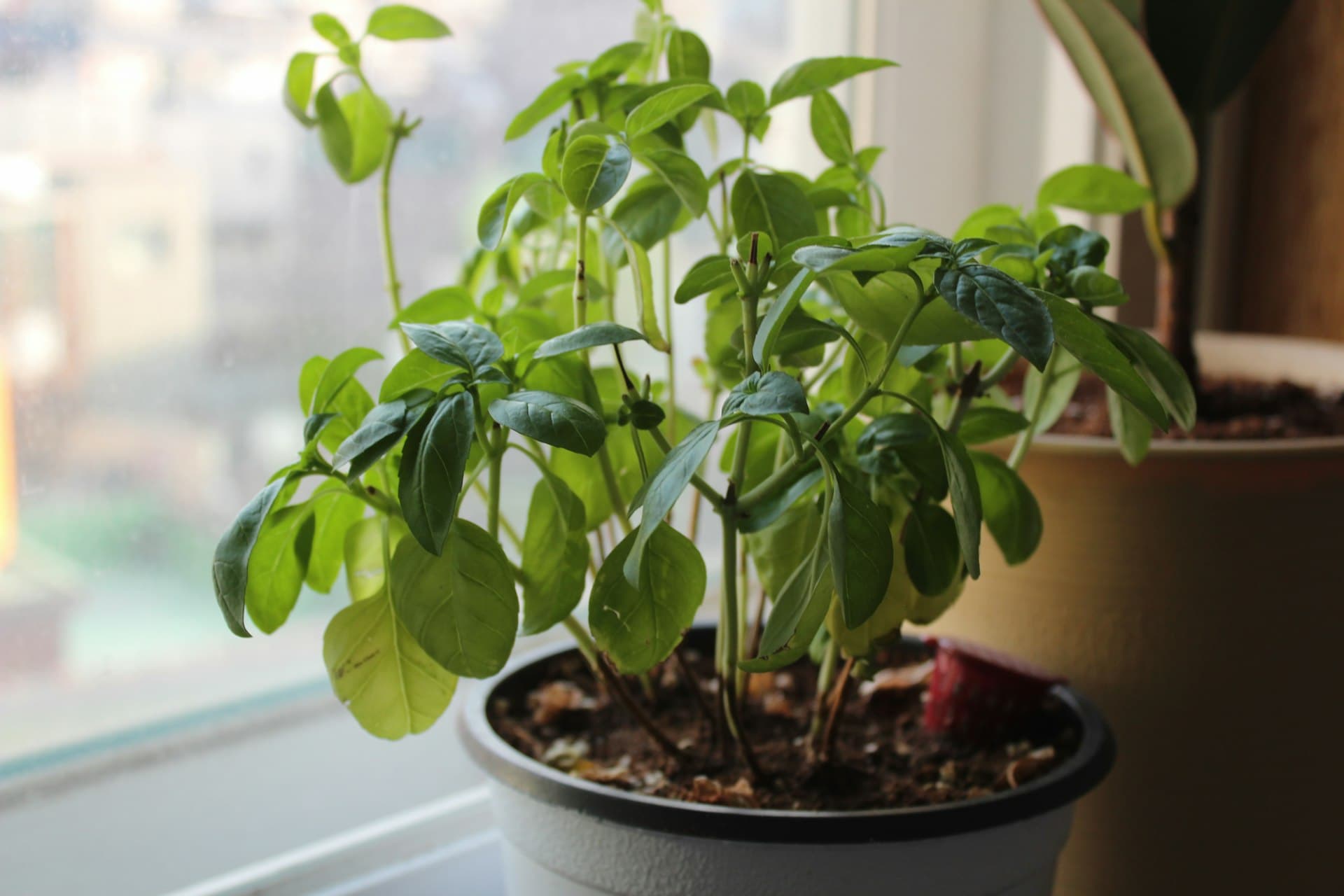
You grew too much basil. It happens to the best of us, usually in February. Before it bolts, here's how to dry your herbs so they keep their colour and flavour for months.
Everything below comes from the National Center for Home Food Preservation at the University of Georgia, which bases its advice on the extension bulletin So Easy to Preserve. We've converted the temperatures to Celsius.
Pick at the right moment
The best time to harvest most herbs for drying is just before the flowers open, when they're at the "bursting bud" stage.[1] Pick in the early morning, after the dew has dried, to reduce wilting.[1]
A few habits make a real difference:[1]
Handle the leaves gently, because bruised leaves lose quality.
Don't leave cut herbs lying in the sun.
Rinse in cool water, shake off the excess, and throw out any bruised, dirty or damaged leaves and stems.
Air drying: for the sturdy herbs
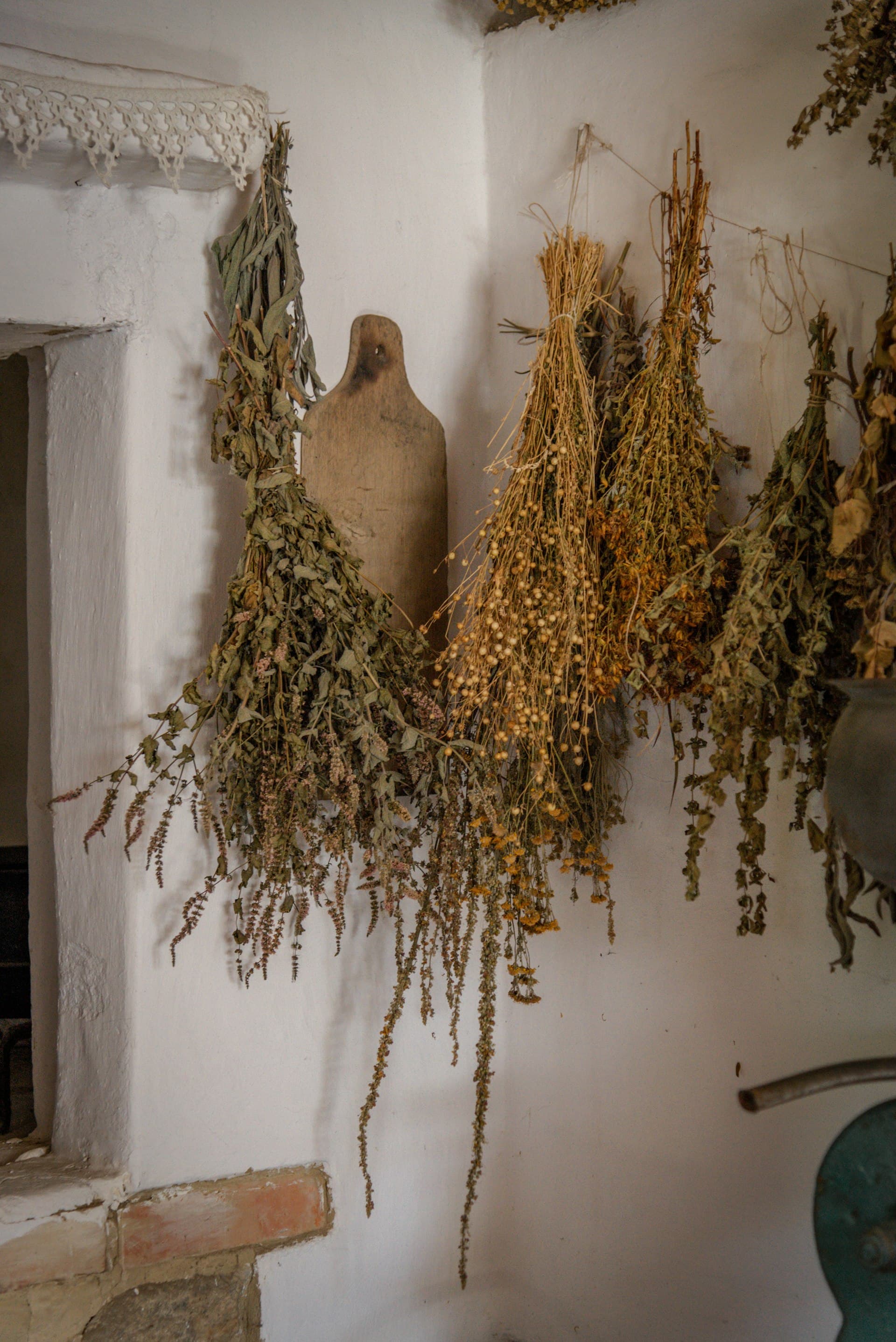
Rosemary, sage, thyme, summer savory and parsley are the easiest herbs to dry without any equipment.[1] Tie them into small bundles and hang them up somewhere warm, dry and airy.[1]
You can dry outdoors, but the guide says colour and flavour usually hold up better indoors.[1] Skip sun drying altogether. It can fade both the colour and the flavour.[1]
The paper bag trick: for the juicy herbs
Basil, oregano, tarragon, lemon balm and the mints hold a lot of water, and they go mouldy if they don't dry quickly.[1] For these, the guide suggests a paper bag:[1]
Punch or tear a few holes in the sides of a paper bag.
Hang a small bunch of herbs inside. A big bunch will go mouldy.
Close the top around the stems with a rubber band and hang it where air moves freely.
Anything that falls off lands in the bottom of the bag instead of on your floor.
Loose leaves in the oven: for humid weather
If you live somewhere humid, drying individual leaves works better than hanging whole stems.[1] It's especially good for mint, sage and bay leaves.[1]
Pick the best leaves off the stems.
Lay them on a paper towel so they don't touch, cover with another towel, and add another layer of leaves. You can stack up to five layers.[1]
Put the stack in a very cool oven overnight. According to the guide, the oven light of an electric oven or the pilot light of a gas oven gives off enough heat.[1]
The leaves dry flat and keep a good colour.[1]
A dehydrator: fastest and most even
A food dehydrator is the easiest way to get high-quality dried herbs, because you control both temperature and airflow.[1]
Preheat it to between 35 °C and 46 °C. In humid areas you may need up to about 52 °C.[1]
Spread the rinsed herbs in a single layer on the trays.[1]
Drying takes 1 to 4 hours. Check now and then.[1]
How to tell they're done
Herbs are dry when the leaves are crispy and crumble easily between your fingers, and the stems snap when you bend them.[1]
Storing them properly
This is where most home-dried herbs go wrong. Dried food can pick up insects and moisture, so pack it as soon as it's ready.[2]
Cool first. Warm food "sweats", which can give mould enough moisture to grow.[2]
Airtight containers. Clean, dry glass jars work well, and so do freezer containers or bags with tight lids.[2] Glass has a bonus: you can see any moisture collecting inside.[2]
Cool, dry and dark. Store herbs this way to protect their colour and fragrance.[1]
Small batches. Every time you open a container, air and moisture get in. Pack in amounts you'll use at once.[2]
Whole is fine. You can store leaves whole and crumble them as you cook, or crumble them coarsely first.[1]
Keep an eye on your jars. Food packed "bone dry" can still spoil if it takes in moisture later. If it's damp but not spoiled, use it straight away or dry it again. If it's mouldy, throw it out.[2]
How long do they keep?
The guide gives 4 months to a year as the recommended storage time for dried foods, and the warmer the storage spot, the shorter that time.[2] So keep them somewhere cool, like a cupboard away from the stove.
Cooking with them
Dried herbs are usually 3 to 4 times stronger than fresh ones.[1] So if a recipe asks for fresh herbs, use a quarter to a third of the amount in dried.[1]
Need more herbs to dry?
Start a windowsill herb garden that survives South African conditions.
Sources
Every fact in this article comes from one of these. The numbers in the text link here.
- 1.Herbs (Drying). National Center for Home Food Preservation, University of Georgia (from So Easy to Preserve, 6th ed. 2014), 2014. Accessed 25 September 2026.
- 2.Packaging and Storing Dried Foods. National Center for Home Food Preservation, University of Georgia (from So Easy to Preserve, 6th ed. 2014), 2014. Accessed 25 September 2026.
Found this useful?